Evidence-Based Peptide Research Database
Independent peptide profiles covering mechanisms, evidence quality, safety signals, and study dosages. Educational reference only.
Research Suppliers
Where to Source Research Peptides
A curated selection of research-grade compounds from independent third-party suppliers. Peptidelogy does not sell these products; each card links directly to the vendor’s own store.
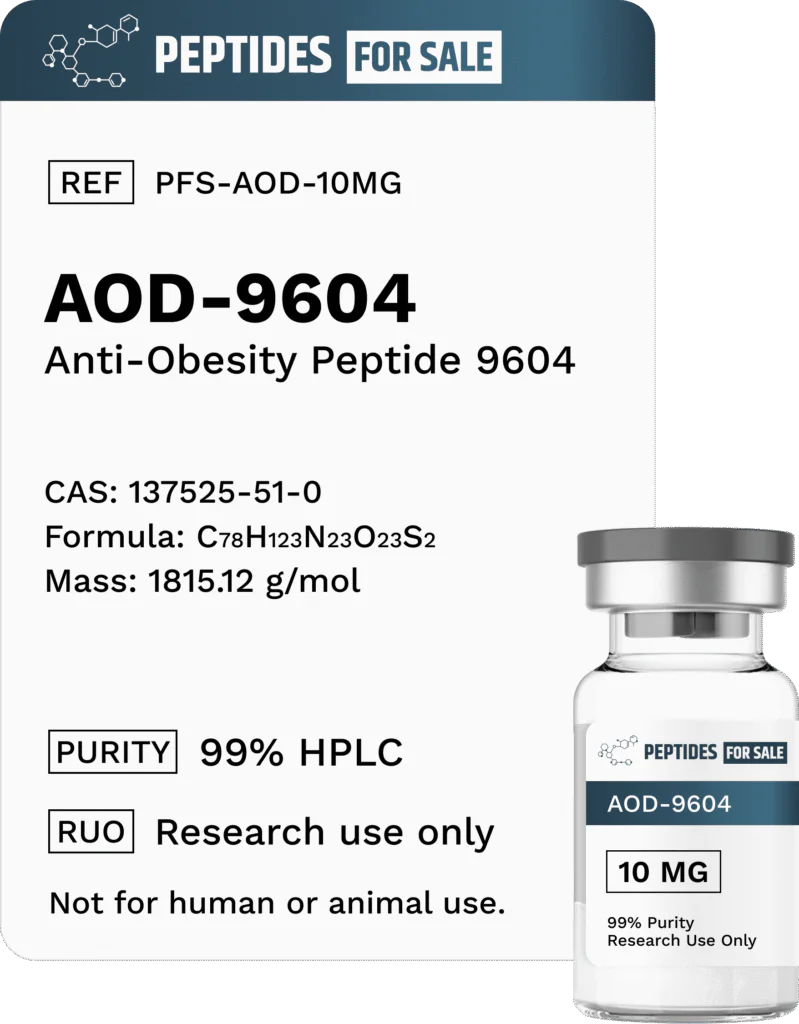 PeptidesForSale
AOD-9604
10 mg vial
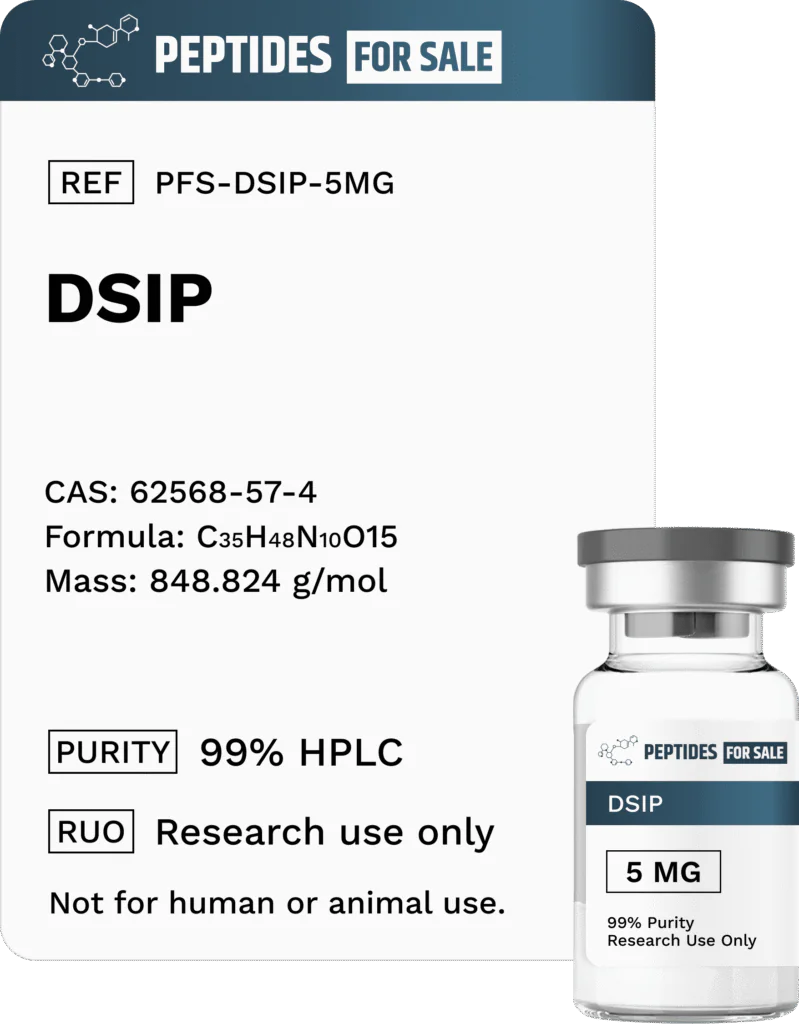 PeptidesForSale
DSIP
Delta sleep-inducing peptide
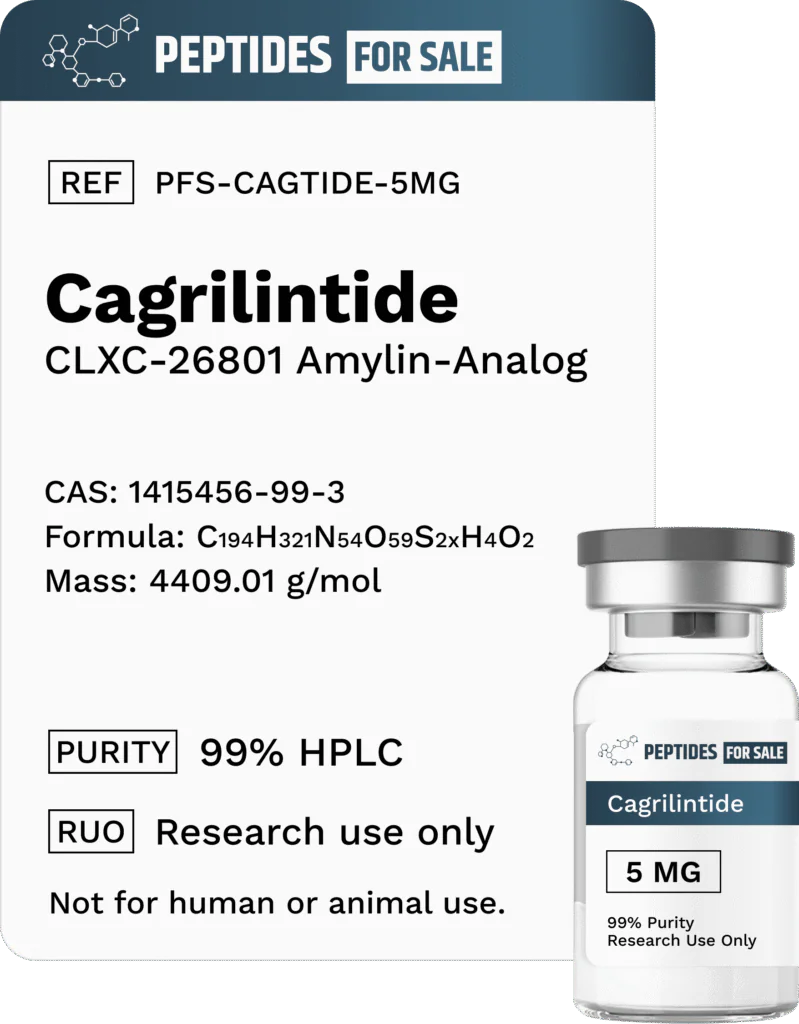 PeptidesForSale
Cagrilintide
5 mg vial
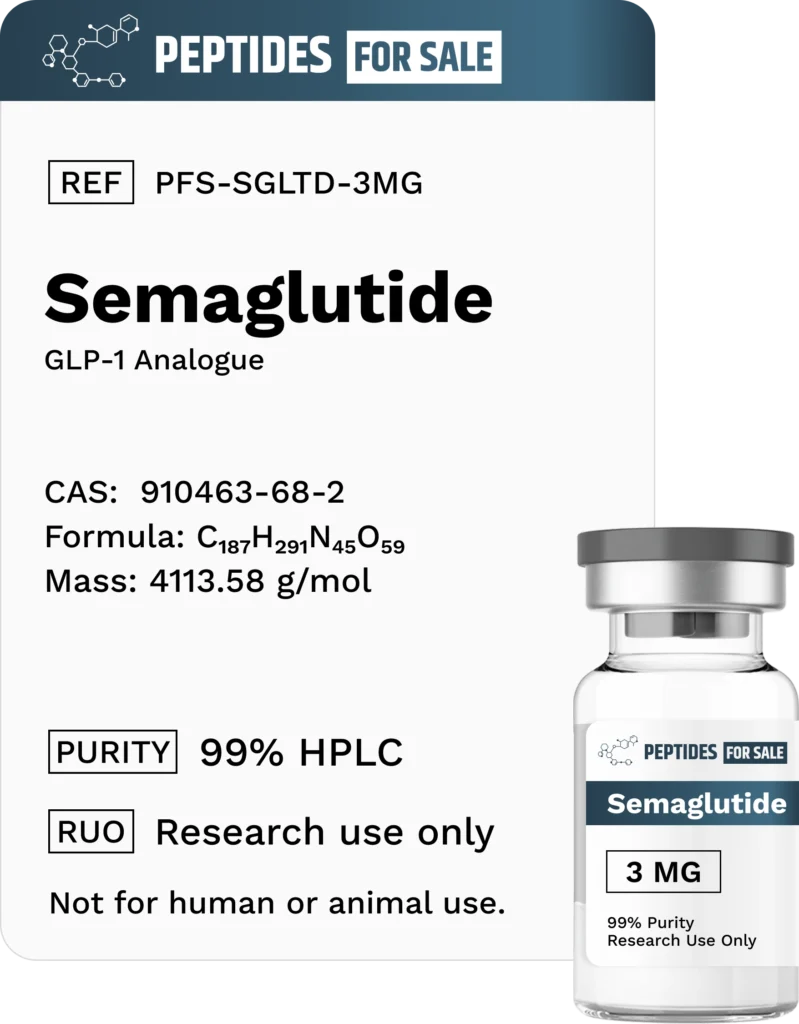 PeptidesForSale
Semaglutide
GLP-1 research compound
 PeptidesForSale
Follistatin 344
1 mg vial
 Core Power Peptides
KLOW 80 Blend
GHK-Cu / KPV / BPC-157 / TB-500
 Core Power Peptides
N-Acetyl Selank Spray
Nasal spray
 Core Power Peptides
N-Acetyl Semax Spray
Nasal spray
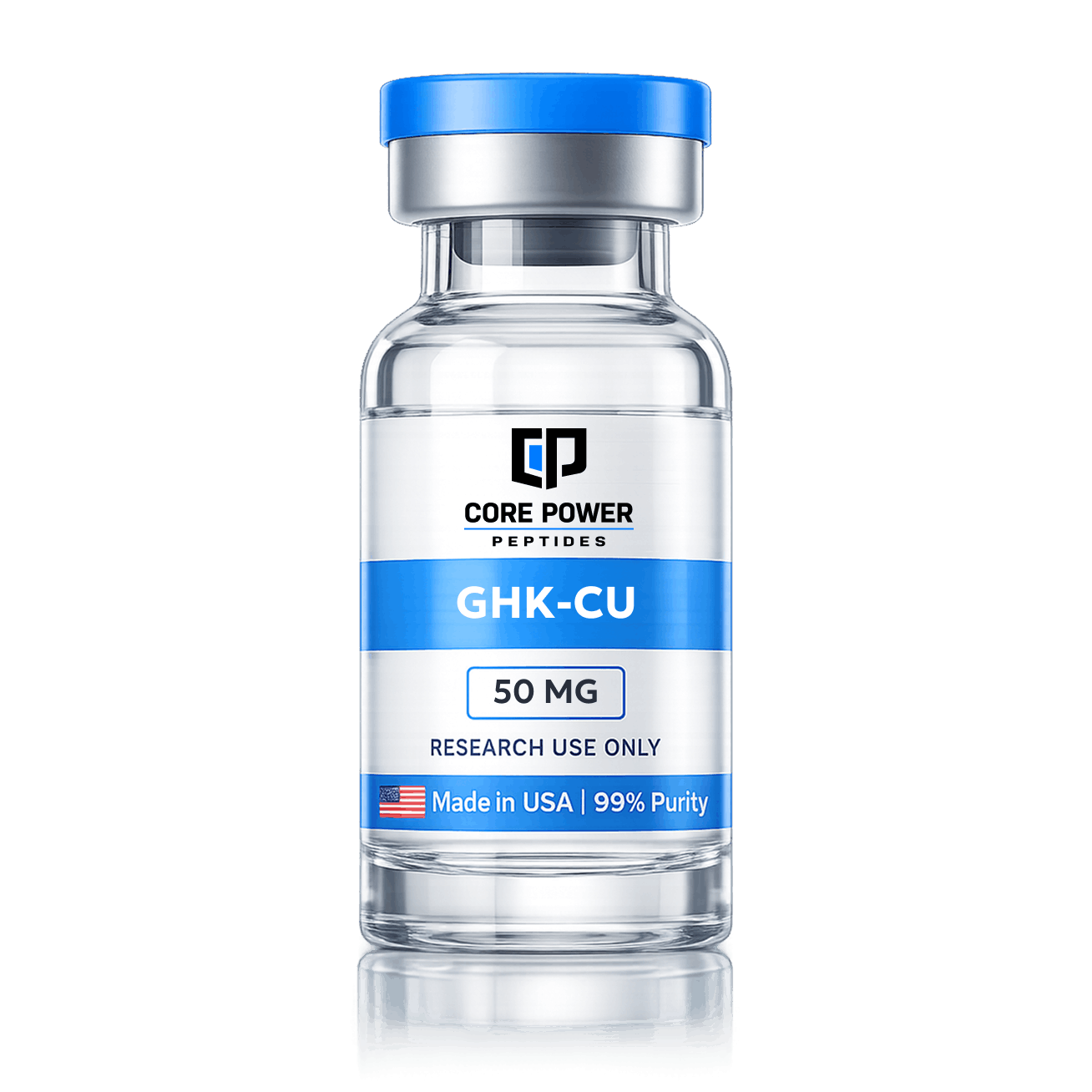 Core Power Peptides
GHK-Cu
50 mg vial
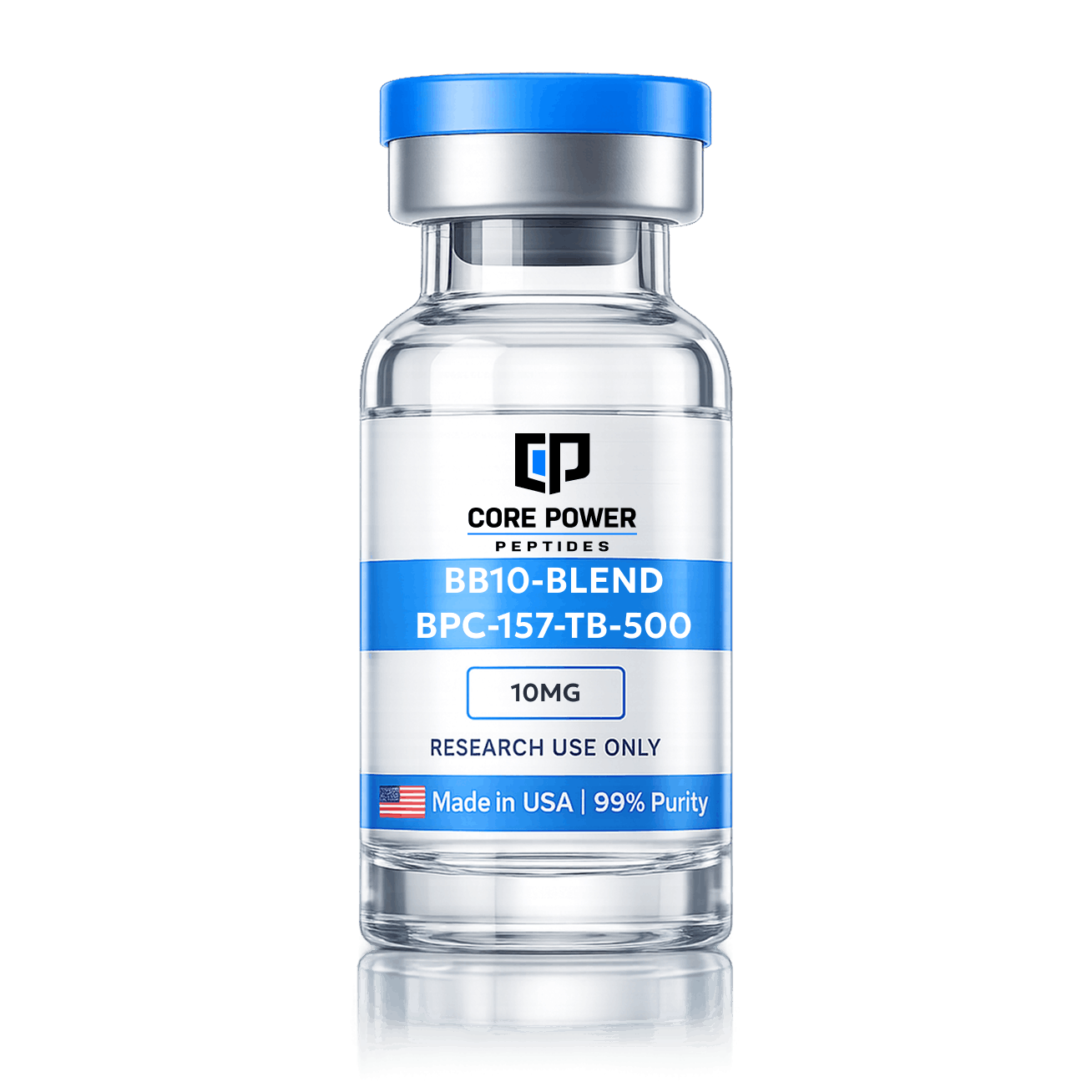 Core Power Peptides
BB10 Blend
BPC-157 5 mg + TB-500 5 mg
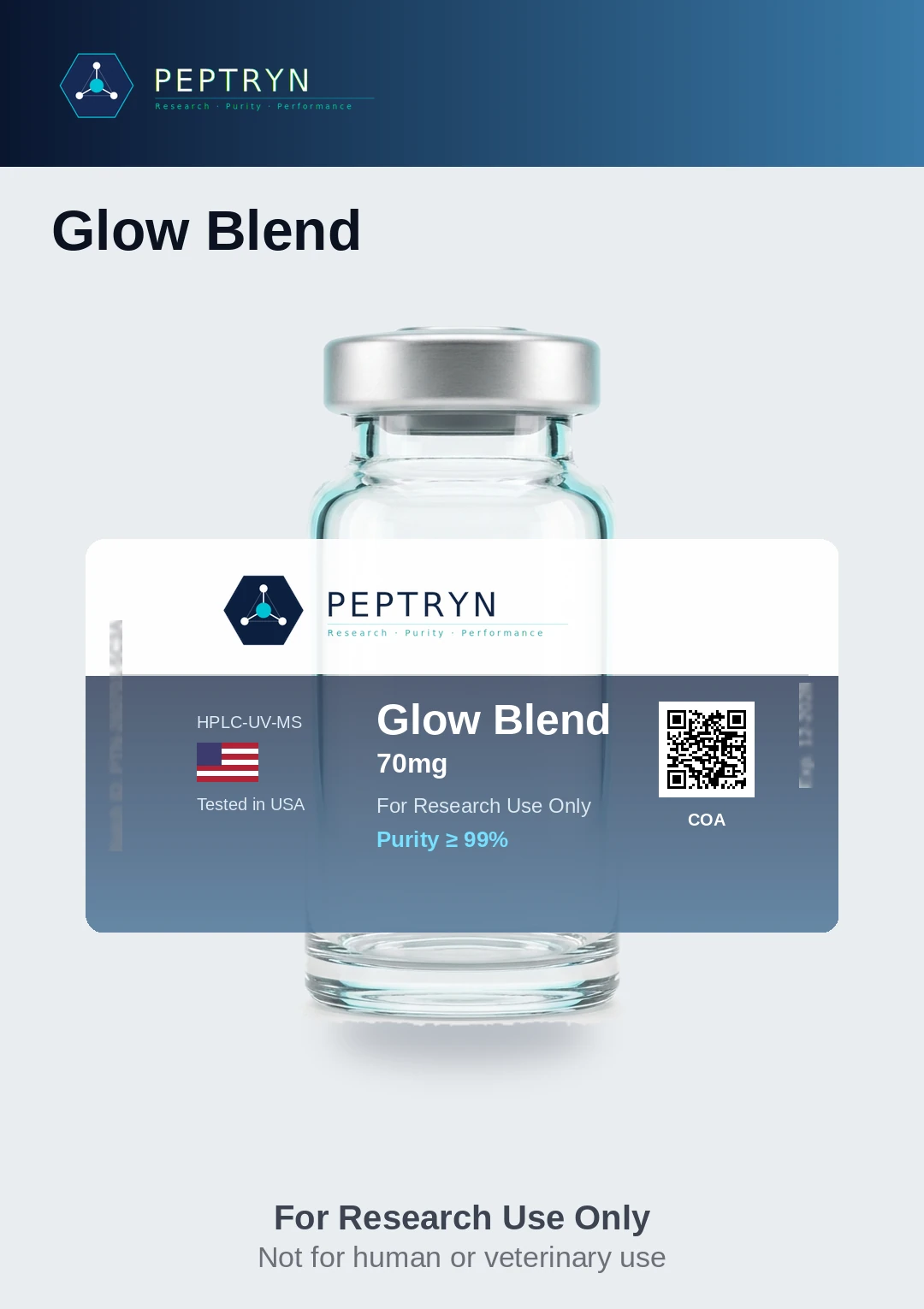 Peptryn
Glow Blend
70 mg (GHK-Cu / BPC-157 / TB-500)
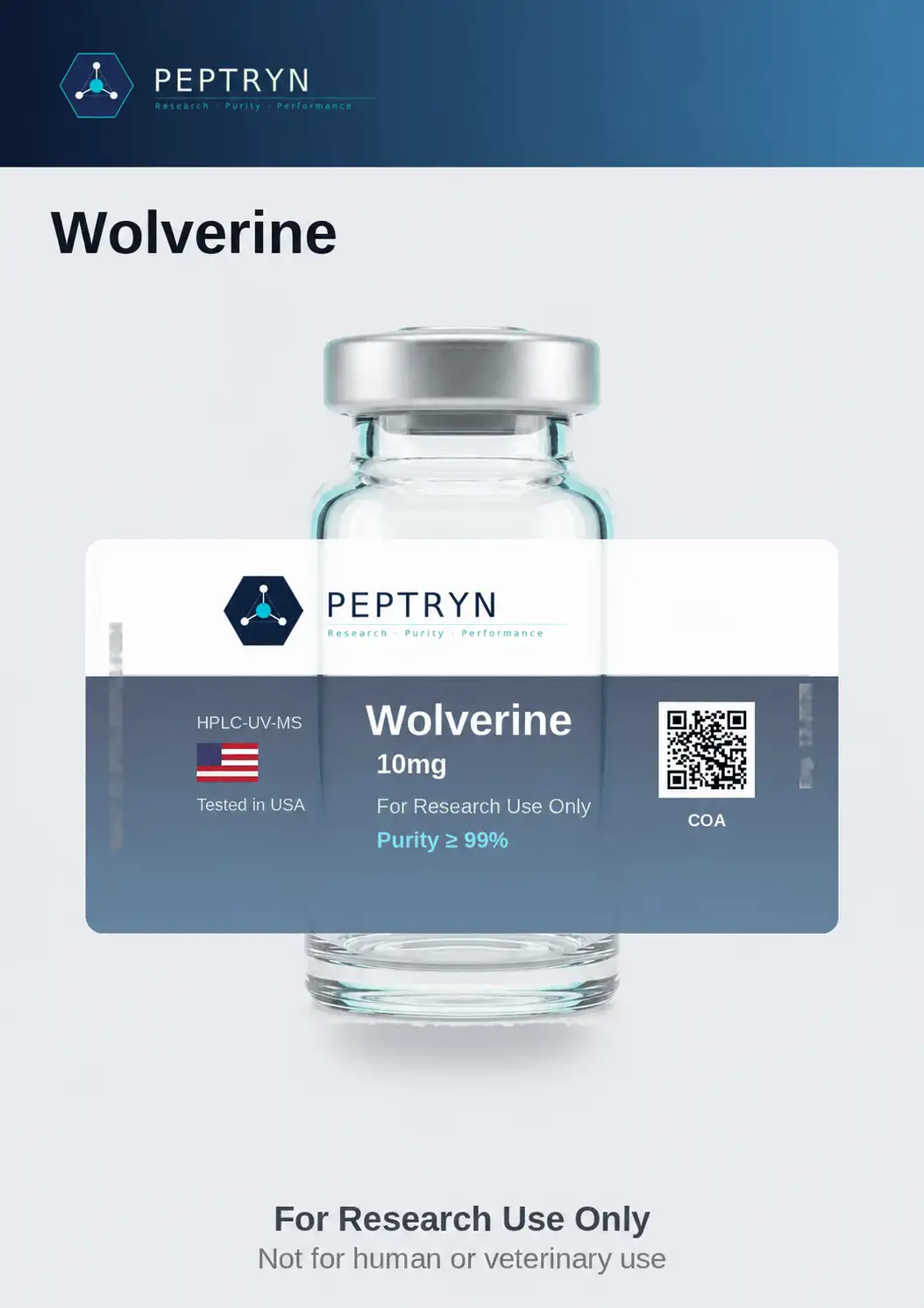 Peptryn
Wolverine Blend
Recovery stack
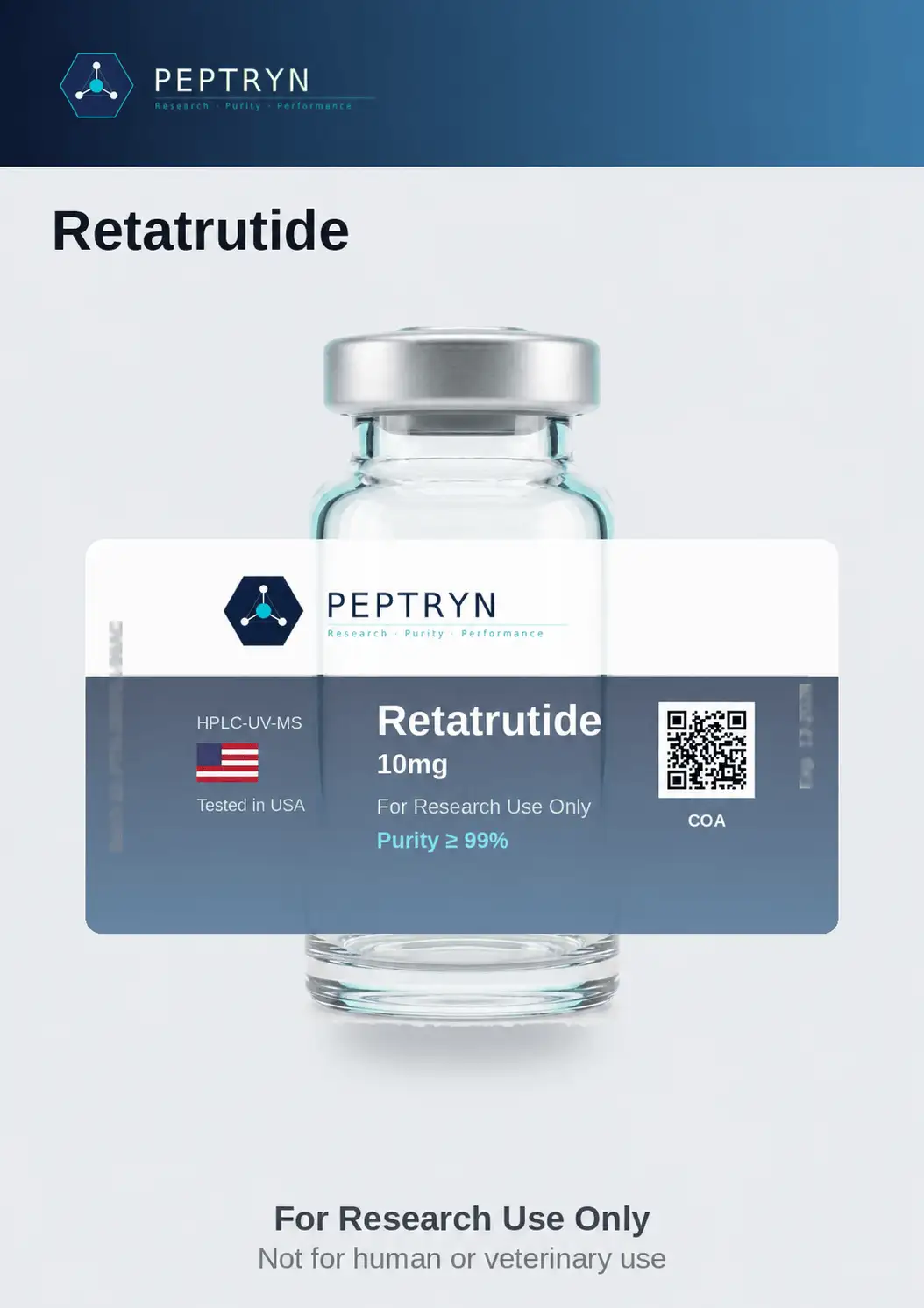 Peptryn
Retatrutide
Triple-agonist GLP compound
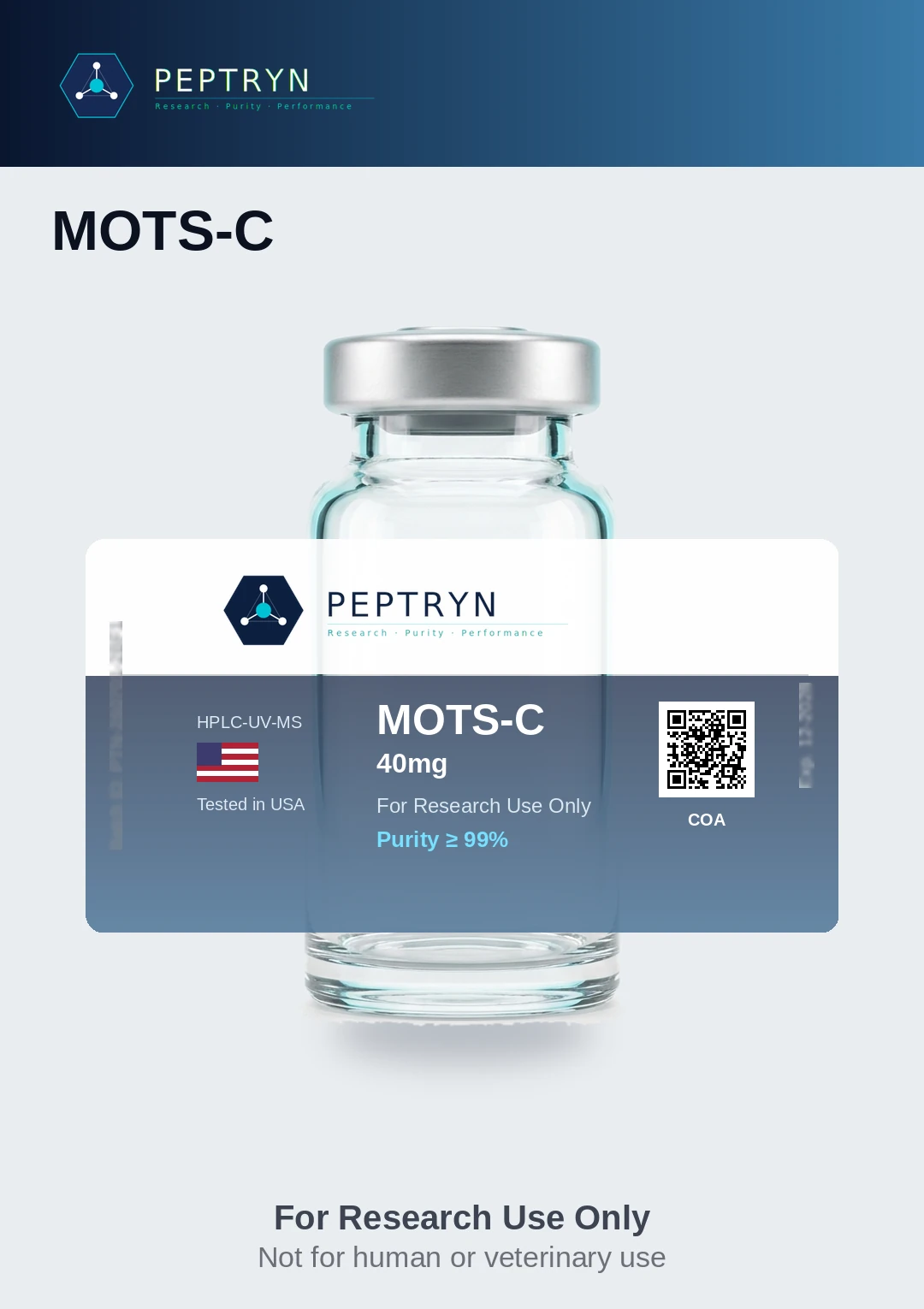 Peptryn
MOTS-C
40 mg (high-dose)
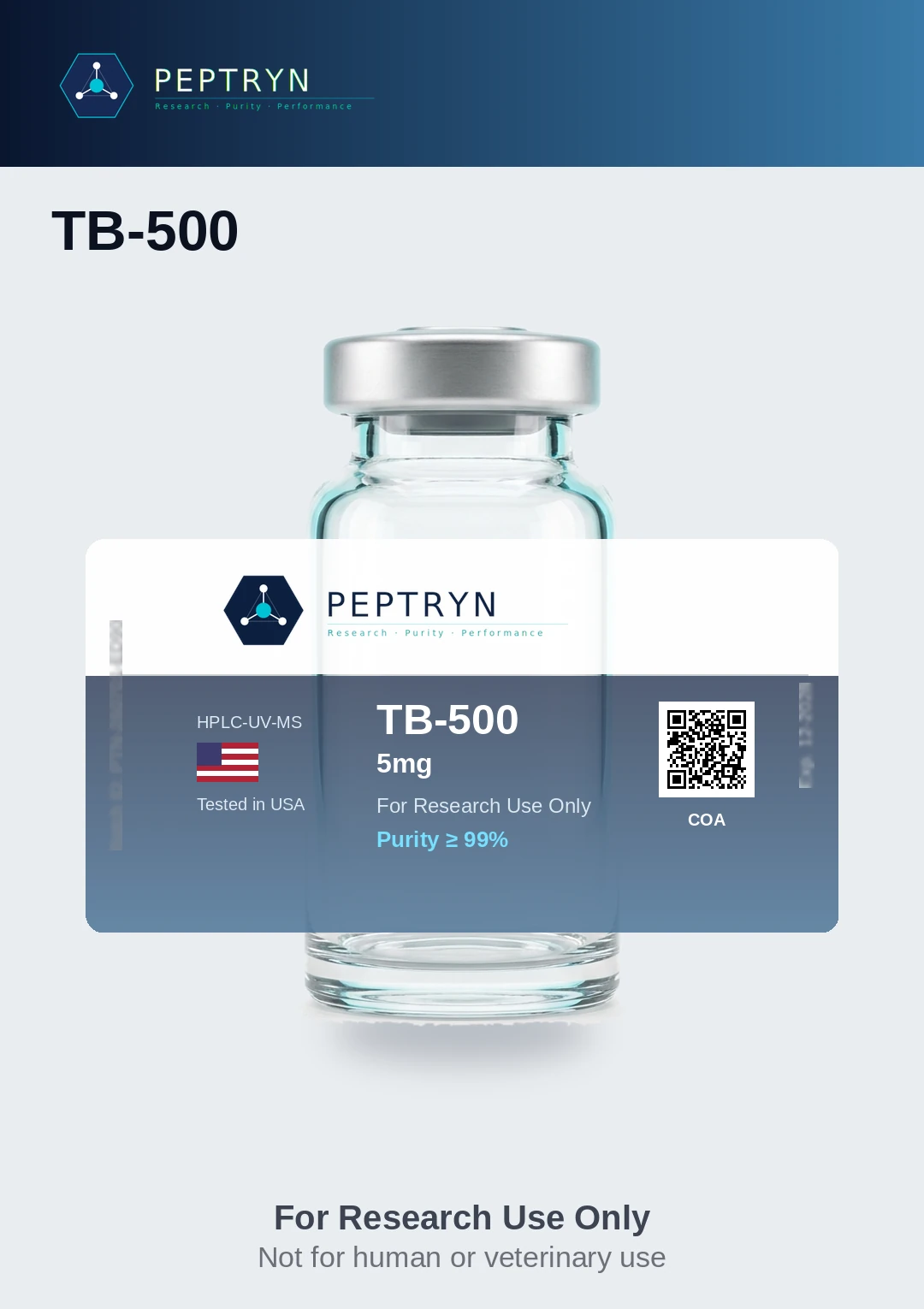 Peptryn
TB-500
Thymosin β-4 fragment
Disclosure: links above go to external third-party vendors and may be tracked as referrals. Peptidelogy is not the seller and does not handle orders, payment, or shipping. Product images are the property of their respective vendors. Prices are indicative and set by each vendor. Listed compounds are intended for laboratory and research use only.
Popular Research Topics
Open full data portalSnap-8 (Acetyl Octapeptide-3)
Snap-8 is a topical anti-wrinkle peptide studied as a needle-free alternative to botulinum toxin for reducing expression lines.
IGF-1 LR3
IGF-1 LR3 is a long-acting analog of insulin-like growth factor 1 studied for cell growth, proliferation, and muscle tissue in research settings.
SLU-PP-332
SLU-PP-332 is a synthetic estrogen-related receptor agonist studied as an exercise mimetic for metabolism and endurance in preclinical models.
Thymalin
Thymalin is a thymus-derived peptide complex studied for immune regulation and geroprotective effects.
Cerebrolysin
Cerebrolysin is a peptide preparation studied for neuroprotective and neurotrophic effects in cognitive and neurological research.
Melanotan 1 (Afamelanotide)
Melanotan 1 is a synthetic alpha-MSH analog studied for stimulating melanin production and photoprotection.
IGF-1 DES
IGF-1 DES is a truncated IGF-1 analog studied for IGF-1 receptor signaling and cell-proliferation models.
GLOW (Peptide Blend)
GLOW refers to a research peptide blend commonly combining GHK-Cu, BPC-157, and TB-500, discussed for skin, tissue repair, and recovery research.
LL-37
LL-37 is the only human cathelicidin antimicrobial peptide, studied for antimicrobial, immunomodulatory, and wound-healing properties.
DSIP (Delta Sleep-Inducing Peptide)
DSIP is a naturally occurring nonapeptide first isolated in connection with sleep states and studied for sleep regulation, stress, and neuroendocrine signaling.
MOTS-c
MOTS-c is a mitochondria-derived peptide studied for metabolic regulation, insulin sensitivity, and aging biology.
TB-500 (Thymosin Beta-4)
TB-500 is a synthetic thymosin beta-4-related peptide studied for tissue repair, cell migration, and recovery models.
Browse the Data Portal
Reference pages are grouped by the primary research context in which each compound appears.
Healing Peptides
7 reference pagesReference pages for peptides studied in tissue repair, wound-healing models, angiogenesis, immune defense, and recovery biology.
Cognitive Peptides
8 reference pagesNeuroactive peptide references covering sleep, neuroprotection, neurotrophic signaling, and cognitive research models.
Weight Loss Peptides
7 reference pagesMetabolic research pages for incretin agonists, mitochondrial signals, exercise mimetics, and compounds studied in body-weight models.
Anti-Aging Peptides
9 reference pagesLongevity-oriented references for peptides studied in mitochondrial health, thymic biology, GH-axis signaling, and age-related physiology.
Other Peptides
12 reference pagesAdditional peptide and peptide-adjacent references, including pigmentation, reproductive, cosmetic, and hormonal research topics.
Non-Peptide Research
5 reference pagesPeptide-adjacent research compounds that are commonly searched alongside peptides but are not peptides by chemical class.
All Peptides A-Z
Search by compound name, alias, category, or research area.
48 of 48 peptides shown
5-Amino-1MQ is a non-peptide NNMT inhibitor studied in metabolic and adipose-tissue research models.
AOD-9604 is a modified hGH fragment studied for lipid metabolism and obesity-related research.
BPC-157 is a gastric-peptide-derived compound studied in tissue, tendon, vascular, and gastrointestinal repair models.
BPC-157 + TB-500 is a peptide blend concept studied through its individual tissue-repair and cell-migration components.
Cagrilintide is a long-acting amylin analog studied for appetite, satiety, and body-weight research.
Cerebrolysin is a peptide preparation studied for neuroprotective and neurotrophic effects in cognitive and neurological research.
CJC-1295 is a long-acting GHRH analog studied for growth-hormone pulse stimulation and IGF-1-axis research.
CJC-1295 No DAC is a shorter-acting GHRH analog studied for growth-hormone pulse research.
Dihexa is an angiotensin IV-derived compound studied for synaptogenesis, HGF signaling, and cognitive research models.
DSIP is a naturally occurring nonapeptide first isolated in connection with sleep states and studied for sleep regulation, stress, and neuroendocrine signaling.
Epithalon is a synthetic tetrapeptide studied in aging, pineal peptide, and telomere-related research.
Follistatin is a naturally occurring glycoprotein studied for inhibiting myostatin and other TGF-beta family members.
Follicle stimulating hormone is a reproductive hormone studied for ovarian, testicular, and fertility-related endocrine signaling.
GHK-Cu is a copper peptide studied for skin remodeling, collagen signaling, and tissue repair biology.
GHRP-6 is a growth hormone secretagogue peptide studied for GH release and appetite-related endocrine signaling.
GLOW refers to a research peptide blend commonly combining GHK-Cu, BPC-157, and TB-500, discussed for skin, tissue repair, and recovery research.
Glutathione is a tripeptide antioxidant studied in redox biology, detoxification pathways, and skin-pigmentation research.
HCG is a glycoprotein hormone studied for reproductive endocrine signaling and LH-receptor activity.
IGF-1 DES is a truncated IGF-1 analog studied for IGF-1 receptor signaling and cell-proliferation models.
IGF-1 LR3 is a long-acting analog of insulin-like growth factor 1 studied for cell growth, proliferation, and muscle tissue in research settings.
Ipamorelin is a GH secretagogue peptide studied for growth-hormone release with relatively selective ghrelin-receptor activity.
Kisspeptin-10 is a decapeptide studied as a key regulator of GnRH release and the reproductive hormonal axis.
KLOW is a four-peptide blend concept combining KPV, GHK-Cu, BPC-157, and TB-500, studied through its individual component literatures.
KPV is a tripeptide studied for immunomodulatory and inflammation-resolution signaling in epithelial and immune models.
Lemon Bottle is a cosmetic formulation topic discussed in body-contouring and aesthetic research contexts, not a single peptide.
LIPO-C refers to lipotropic injection blends commonly discussed for metabolic support, but it is not a peptide.
LL-37 is the only human cathelicidin antimicrobial peptide, studied for antimicrobial, immunomodulatory, and wound-healing properties.
Mazdutide is a dual GLP-1 and glucagon receptor agonist studied for weight management and metabolic effects.
Melanotan 1 is a synthetic alpha-MSH analog studied for stimulating melanin production and photoprotection.
Melanotan 2 is a synthetic melanocortin analog studied for pigmentation and broader melanocortin-receptor effects.
MOTS-c is a mitochondria-derived peptide studied for metabolic regulation, insulin sensitivity, and aging biology.
NAD+ is a cellular cofactor studied in redox biology, mitochondrial function, and aging-related metabolism.
Pinealon is a short bioregulatory peptide studied in neuroprotection, brain aging, and stress-response models.
PT-141 is a melanocortin receptor agonist studied for sexual-function and neuroendocrine signaling.
Retatrutide is a triple receptor agonist studied for obesity, glucose control, and metabolic disease research.
Selank is a synthetic peptide studied for anxiolytic, neuroimmune, and cognitive research effects.
Semaglutide is a GLP-1 receptor agonist studied and used clinically for glucose control and chronic weight-management indications.
Semax is an ACTH-derived peptide studied in neuroprotection, cognition, and stress-response research.
Sermorelin is a GHRH analog studied for pituitary growth-hormone stimulation and GH-axis testing.
SLU-PP-332 is a synthetic estrogen-related receptor agonist studied as an exercise mimetic for metabolism and endurance in preclinical models.
Snap-8 is a topical anti-wrinkle peptide studied as a needle-free alternative to botulinum toxin for reducing expression lines.
SS-31 is a mitochondria-targeting tetrapeptide studied for preserving mitochondrial function and cellular energy production.
TB-500 is a synthetic thymosin beta-4-related peptide studied for tissue repair, cell migration, and recovery models.
Tesamorelin is a GHRH analog studied for visceral adiposity and GH-axis metabolic effects.
Thymalin is a thymus-derived peptide complex studied for immune regulation and geroprotective effects.
Thymosin Alpha-1 is a thymic peptide studied for immune regulation, antiviral-response signaling, and T-cell function.
Tirzepatide is a dual GIP and GLP-1 receptor agonist studied for metabolic disease and weight-management outcomes.
VIP is a neuropeptide studied for immune, pulmonary, circadian, and neuroendocrine signaling.
How to Read Peptide Research
Peptide claims often mix cell studies, animal models, small human studies, approved clinical uses, and anecdotes. Peptidelogy keeps those evidence levels separate so a plausible mechanism is not presented as proven clinical benefit.
- Mechanism
- What pathway or receptor is involved, and whether that mechanism has been demonstrated directly.
- Evidence quality
- Whether findings come from laboratory models, animal research, human trials, or regulated clinical use.
- Safety context
- Known signals, unanswered questions, study limitations, and why research dosage is not a use protocol.
How Peptidelogy Reviews Peptide Research
Peptidelogy is an independent reference resource that organizes peptide information in a clinical, research-first format. Pages are built from structured entries and include mechanisms, studied effects, safety notes, dosage references from literature, and cited sources.
Peptidelogy does not sell products and is not a medical provider. Some sections link to independent third-party suppliers of research compounds; these are external vendors, and Peptidelogy is not responsible for their products, claims, pricing, or fulfillment. Nothing on this site is medical advice or an endorsement to acquire, administer, or use any substance.